SRDC Returns Home to Ghana for the 2026 International Conference
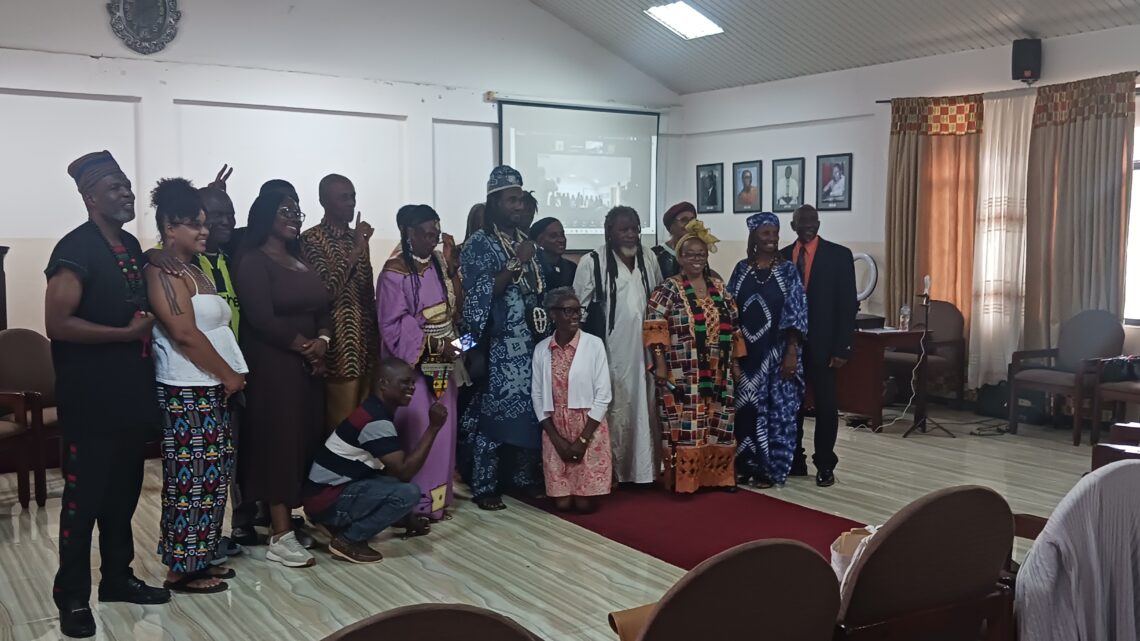
 The Sixth Region Diaspora Caucus (SRDC) returned to the Motherland in early October 2026 with its (mostly) annual International Conference at the Kwame Nkrumah Center of African Studies, University of Ghana at Accra. The Conference proper was held on Tuesday, October 6 and Wednesday, October 7. The assembled SRDC delegation came from Tanzania, Connecticut, Ohio, Maryland and Jamaica with honored guests arriving from other parts of the Continent and Diaspora as well as participating remotely on Zoom.
There was much excitement as the Conference was being planned, with advance teams from Connecticut and Tanzania making the necessary arrangements with University staff under the leadership of Professor Obadele Kambon, the Director of the African Studies Department at the University. Despite several obstacles that were encountered, from visa issues which prevented several expected participants from attending to occasional issues with Internet connectivity to a general strike on campus which hampered efforts to reach out to students (though several young people still attended the Conference and participated in the discussions and presentations), the Conference was deemed a success by the attendees, and the work of Nana Abena Grace James and her husband Baba Kwabena James from Tanzania, her family from Jamaica, as well as Mama Iman Ukdah Hameen of Connecticut in the United States, proved critical to making the Conference a successful one.
The early invitation to the Conference shared the promise of what we could accomplish on SRDC’s fourth visit to the Motherland (after the September 2020 Conference in Monrovia, Liberia, the May 2023 Roots-Synergy Roundtable in Addis Ababa, Ethiopia and the June 2024 Roots-Synergy Follow-up in Maputo, Mozambique):
SRDC International Conference
The Sixth Region Diaspora Caucus Returns to Ghana!!! SRDC 2026 Annual Pan African Conference at University of Ghana, Accra, Ghana – on October 6th – 9th, 2026
Building A Future Of True Pan Africanism
Through – Repatriation, Integration, Youth Empowerment, Citizenship and Sustainable Diaspora Direct Investment
Event Timing: October 6th and 7th, 2026 on campus, Oct 8th and 9th, 2026 for tours and site visits.
Event Location: African Studies Department, University of Ghana, Accra, Ghana
Contact us: 6regiontz@gmail.com
Akwaaba!!! Welcome to a powerful convening of visionaries, thinkers, change makers – shaping the future of Africa and its Global Diaspora. This annual conference brings together an influential community of Pan-African scholars, pioneers, civil society actors, member state representatives, youth council interns, innovators and business leaders. United by a shared purpose – to spark the next-level conversations, forge transformative partnerships, and drive bold, actionable solutions to the most pressing Pan-African issues and topics facing African descendants at home and abroad.
Your presence here is more than participation – it is a contribution to a collective movement. Together, we are amplifying voices, igniting ideas, and building momentum toward “The Africa We Want.”
Monday, October 5, 2026
Bro. Cliff’s Personal Impressions Upon Arrival in Accra, Ghana
After my flight arrived Accra on Monday night, October 5 and I went through the obligatory final process of visa approval, I was able to make my way to the shuttle that took me to my hotel in downtown Accra. I was told that upon seeing a tourist, especially one from America, there would be no shortage of people ready to carry my bags, direct me to the shuttle or connect me to a friend to take me to the University for the Conference the next day, especially since at first I did not have Ghana cedis (the local currency) and only had US dollars to tip people with. I learned after that first day that I needed a supply of cedis to ensure that I did not find myself overpaying for transportation and other services. Lesson learned!
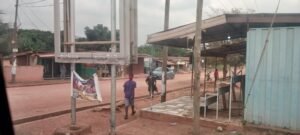 It seems to be Rush Hour all day long in Accra.
I know that is an exaggeration. But the streets were constantly busy with cars, motor bikes, and people darting between the vehicles selling a variety of wares. Apparently, they know that they will not be struck by vehicles as they go about what must be rather dangerous work considering the sheer volume of traffic on the streets.
Accra is a busy city, obviously. Scattered among the businesses and hotels are several shells of buildings, mid- to high-rises that no doubt will soon be offices and hotels in their own right. Development is proceeding apace in Accra.
The University campus is comprised mainly of low-lying buildings, with numerous trees, bushes and other vegetation lending a more natural, even pastoral feel to the campus. At the main entrance is the soccer stadium where the Ghanaian National Football Team plays.
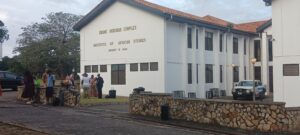 The Kwame Nkrumah Complex, where the African Studies Department is housed, was the location of the Conference. The building is rather aged, as are all of the buildings on the campus, but it is warm and inviting.
After the two days of the Conference proper, our delegation traveled to two development sites, a meeting with the African Continental Free Trade Area (AfCFTA) National Coordinating Office, an area of Accra known as Jamestown (named after the Jamestown settlement in Virginia) and the Kwame Nkrumah Memorial Park, which, as far as “tourist stops” go, was the high point of the visit for me.
Tuesday, October 6 – Wednesday, October 7, 2026
Kwame Nkrumah Complex of African Studies
University of Ghana, Accra
But now for the Conference itself. Mama Iman Uqdah Hameen, who put in critically important work before, during and after the Conference to make it a success, filed this report:
The 2026 SRDC 20th Annual Conference held in Legon, Ghana at the University of Ghana at the Kwame Nkrumah Complex, Department of African Studies was delightfully successful, well executed overall and robustly attended by movers, shakers, valued representatives and attendees of major organizations within the Sixth Region Diaspora, Ghana -locally, nationally and other countries worldwide, including Brazil, the Caribbean, and Burkina Faso.
On both days, panels and speakers were passionate, powerful, highly intelligent, educated, down-to-earth and profound. Prof. Obadele Kambon offered a heartfelt welcome and frank presentation covering: the Black Agenda petition addressing President Mahama, governmental policies that affect the Diaspora, life as expats in Ghana, citizenship, the purpose of repatriation, slow inclusion of the Diaspora after decades of involvement, unity and next steps.
The Youth were deeply involved, expressive, outspoken, open to share, transparent, quick to collaborate, anxious to work to solve problems, advance Pan Africanism and SRDC, are educated, ready to learn more, confident to accept the reins, and interested in moving the agenda to more progressive dimensions.
The content and discourse were higher level throughout the four days and beyond. The food was aplenty, just as delish and the participants were eager, engaged, prepared, equipped and on board to tackle issues at hand, as only serious-minded, true Pan Africans understand, recognize and are capable of doing.
Day 2 opened with a screening of the classic documentary, “Durban 400” directed by Al Santana and co-produced with Iman Drammeh, who gladly sent well wishes and granted permission to SRDC to present the film at the conference.
Participants were taken by the relevance of the film and surprised that it existed. Seeing what Durban 400 participants encountered in 2001, set the stage, which provided a template to deepen discussion and delve into the work for the day and future.
Mama Kambon (Prof. Kambon’s Mother) spent a large part of Day 2 with us. Everyone left energized and uplifted. Even our popular, noted Ghanaian Journalist, Ivy Prosper, Content Creator spent a full day with us from start to finish on Day 1.
The significance of the 2026 SRDC Ghana conference was not lost on the ancestors. To me, nothing else matters as much as that outcome.
In paraphrasing and in closing with a thought I often cite, as basic as it is –
“Remember the LITTLE things in life because one day you will look back and realize that they were the BIG things.” – Nana Mama Iman T. Uqdah Hameen
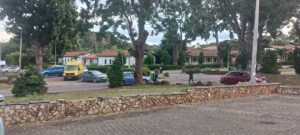 In case readers would like an even more detailed account of what was presented, the information below was gathered from the AI Updates of the Zoom sessions on Tuesday and Wednesday, October 6 and 7.
DAY ONE: Tuesday, October 6, 2026, Kwame Nkrumah Complex of African Studies, University of Ghana, Accra
Quick recap
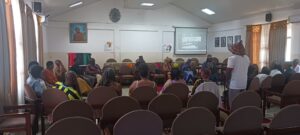 The meeting focused on a discussion about African Diaspora engagement and investment opportunities in Africa, particularly through the Caribbean region. Dr. Fidelia Grand-Galon, Ambassador of Suriname to Ghana, delivered opening remarks about Suriname’s history and African heritage, followed by presentations from Baba Al Washington of the Africa-USA Chamber of Commerce and the African International Chamber of Commerce. The discussion centered on establishing a Pan-African Global Trade and Investment Office in Ghana, with particular emphasis on developing the cannabis industry as a key economic opportunity. Participants explored how the Caribbean could serve as a strategic bridge between Africa, North America, and South America, leveraging existing trade relationships and the significant African Diaspora presence in the region. The conversation also addressed the importance of moving from remittances to meaningful investment, empowering youth as entrepreneurs, and creating opportunities for Diaspora participation in Africa’s economic development.
Suriname’s African Heritage Presentation
Dr. Fidelia Grand-Galon, Ambassador of Suriname, delivered a presentation about Suriname’s African heritage and history, including stories of Maroon communities, resistance against slavery, and cultural traditions. She highlighted the significance of the 266th commemoration of a peace treaty signed in 1760 between the Dutch colonial authorities and Maroon communities, inviting attendees to visit the Embassy of Suriname for more information. The discussion also touched on the broader African Diaspora experience, emphasizing the shared struggles and contributions of people of African descent across various regions.
African Migration and AU Frameworks
The challenges faced by African descendants seeking to return to the continent were discussed, highlighting the lack of frameworks and processes in place for engagement with the African Union. Efforts were explained to create a framework for civil society organizations like SRDC to interact with the AU and assist with specific issues concerning residency permits in countries like Tanzania and Ghana. Neema Abena James announced an upcoming meeting with the African Continental Free Trade Area National Coordinating Office (AfCFTA NCO) in Accra on Thursday to address questions about free trade, and introduced Baba Al Washington, the Executive Director of the Africa-USA Chamber of Commerce, who would continue the discussion.
Pan-African Global Trade and Investment Conference
Baba Al Washington discussed the Advocacy Real Estate Initiative’s history and focus on investment in the African continent and Caribbean. He announced plans for a Pan-African Global Trade and Investment conference in Ghana, centered around developing the cannabis industry with an emphasis on agricultural investment opportunities. Dr. Mark Darko from the African International Chamber of Commerce explained their efforts to connect Africa to the global market and highlighted the potential for Diaspora investment beyond remittances, including technology and human capital. The discussion also touched on the strategic positioning of the Caribbean as a gateway between Africa, North America, and South America, particularly in light of recent trade developments and a new $3 billion trade facility between Africa and the Caribbean.
Africa’s Strategic Economic Potential
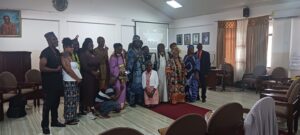 A comprehensive discussion about Africa’s strategic importance and economic potential was presented, explaining how the continent’s central location, growing population, and access to major global markets position it for significant growth. Africa represents one quarter of the world’s population and the need to move from foreign-owned productive assets to local ownership was highlighted, particularly through supporting small and medium-sized enterprises. The discussion included detailed explanations about Africa’s geographic position, natural resources, and historical significance, with encouragement to the younger generation to understand their inherited value and take leadership roles in developing the continent’s economic potential.
Map Education and Investment Planning
The meeting also focused on discussions about map representation, education challenges in Africa, and investment opportunities. Baba Kwabena, Mama Iman Hameen and others led discussions on map accuracy and geography, emphasizing that Europe is actually not a continent in and of itself (though educators often act as though it is and teach this to students) but part of the larger landmass of Eurasia. A significant discussion arose about education quality on the African continent, with participants noting concerns about teachers’ literacy skills and the need for proper training. The group announced plans to create an investment fund focused on small business and entrepreneurship, particularly in agriculture and hemp, with a presentation scheduled for February of the following year.
Decolonizing African Curriculum Discussion
Continuing along the education theme, a discussion was held on decolonizing the African curriculum and transitioning it to educate the next generation of Pan-African leaders, emphasizing the need to envision what the curriculum should be by considering cultural norms, present reality, and future aspirations rather than simply reacting to colonial influences. The conversation focused on how to pass knowledge and experiences to youth as part of a structured succession plan within SRDC.
African-Centered Education Curriculum Development
The importance of incorporating African values and perspectives into education to create an elevated and productive mindset among youth was discussed, emphasizing starting with foundational principles from the past and present to project future needs, suggesting the development of an African-centered curriculum that reflects Pan-African and Afrocentric values. Personal experiences from teaching and traveling in Africa were shared, highlighting the need for early education that introduces children to African history, culture, and geography. The discussion also touched on the role of content creators in developing Afrocentric educational materials and the importance of collaboration between elders and younger generations to address educational challenges.
Decolonizing African Curriculum Initiatives
The meeting focused on decolonizing the African curriculum and preserving Pan-African thought for future generations. Mama Afua Kouyate, an education advocate with 50 years of experience, discussed her work building an African cultural arts center in Seattle and emphasized the need for a unified global approach to education that incorporates the “forgotten communities model” and lessons from historical frameworks like the Green Book. Dr. Hanan Hameen, an international arts education expert and curriculum specialist, shared her research on Afro-Diasporic youth education and emphasized the importance of teaching cultural knowledge at home and in schools, while calling for immediate action rather than only long-term planning. Both speakers stressed the need for community-led education initiatives, proper teacher training, and involving youth in curriculum development rather than treating them as separate from the conversation.
Pan-Africanism, Succession Planning and Preparing the Next Generation
The meeting participants discussed the importance of Pan-Africanism and succession planning in African communities. Dr. Hanan Hameen emphasized the need for elders to prepare the next generation to take leadership roles, highlighting the lack of proper succession planning in many African societies. Mama Afua Kouyatae shared her experience with succession as she transitions from managing multiple projects to focusing on intergenerational unity and rebuilding efforts. The group also discussed the need for cultural education and knowledge exchange between generations to strengthen community ties.
Pan-Africanism and Education Challenges
The discussion focused on Pan-Africanism and education challenges in Africa. Opportunities to learn about Pan-Africanism at the Du Bois Center and the need for critical thinking education to counter brainwashing in schools were emphasized. Dr. Hanan Hameen discussed how African education systems lack guidance counselors and mental health support, while also noting that many European professors teach at African universities rather than local educators. The participants agreed on the need for Diaspora communities to support African schools through volunteer work and community-based programs, with Mama Afua Kouyate proposing the creation of a cultural and family reconnection cohort over a 2-3 year period.
DAY TWO: Wednesday, October 7, 2026, Kwame Nkrumah Complex of African Studies, University of Ghana, Accra
This summary captures the second day of the Sixth Region African Diaspora Caucus Pan-African Conference, where participants discussed the right to repatriate to Africa.
Summary
The day’s schedule started with a film screening of the documentary “Durban 400” about the 400 African Diasporan activists who attended the August-September 2001 United Nations (UN) World Conference Against Racism, Xenophobia and Related Intolerance (WCAR) in Durban, South Africa and petitioned the UN to declare slavery a crime against humanity. The film screening was followed by a discussion about the Right to Return to Africa, more accurately described as the Right to Repatriate and seek citizenship and residency. The Day Two session, like Day One, included welcoming participants from various locations including Jamaica and Ghana, with some attendees joining late due to international time differences. A “fireside chat” seating arrangement was used rather than a standard lecture format, to allow for a more intimate setting considering the smaller crowd in attendance, and to allow for greater give-and-take between presenters, audience members and each other.
Maroon Language and Culture
Dr. Fidelia Grand-Galon, Ambassador of Suriname, spoke again on Day Two, and shared insights about the Maroon language and culture of Suriname, explaining the traditional greeting “Wadao” and its significance in welcoming new community members. She discussed how enslaved Africans in Suriname created mixed languages due to Dutch colonial restrictions on speaking their native tongues, and explained her family’s ancestral names and connections to various African communities (often called “tribes”). The conversation ended with the screening of a film about the Durban 400 initiative, where over 400 people petitioned the United Nations to declare slavery a crime against humanity.
Afro-Returnee Repatriation Challenges
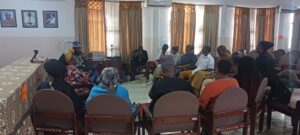 Prof. Obadele Kambon discussed the ongoing challenges faced by Afro-descendants returning to the African continent, highlighting the lack of proper systems in place to facilitate repatriation. He emphasized the need to create a final draft of a declaration or recommendation to present to the Ministry of Foreign Affairs and the Diaspora Desk, as advised by the African Union. The main discussion centered on the right to repatriate versus the right to return, with Professor Kambon explaining that repatriation refers to permanent settlement and belonging rather than temporary visits, distinguishing it from general “return” or “year of return” initiatives, and highlighting the distinction between tourism-focused infrastructure and the actual needs of Diaspora communities seeking to establish permanent homes in Africa. The conversation addressed challenges with current policies, including citizenship requirements and the limited representation of Diaspora communities in African Union affairs, while emphasizing the historical resistance of various African groups against enslavement and the ongoing need for proper systems to support Diaspora returnees. He highlighted historical resistance against enslavement in Africa and criticized the African Union’s exclusion of Diaspora communities and Haiti from full membership, while accepting Morocco, despite its history of enslavement.
Ghana Citizenship and Repatriation Policies
Prof. Kambon presented a comprehensive discussion on Ghana’s citizenship requirements and repatriation policies, highlighting the disconnect between the President’s vision and current implementation. He explained the difference between right to return and right to repatriation, emphasizing the need for meaningful belonging and home-building rather than temporary visits. He outlined specific reforms needed, including suspending the 25,000 Ghana Cedi fee and removing blanket DNA requirements, and called for constituency-mandated seats for Diasporans to have direct representation in decision-making processes. The discussion concluded with announcements about upcoming events including the Abibitumi Abibifahodie Film Festival and the Decade of Our Repatriation conference, where participants shared personal experiences with Ghana’s immigration challenges.
Diaspora Repatriation Challenges Discussion
The “fireside chat” format of Day Two enabled discussions from participants about repatriation and challenges faced by Diaspora communities seeking to return to Africa, particularly Ghana. Participants shared personal experiences of bureaucratic hurdles, including citizenship processes, annual requirements for Ghana cards, and medical examinations, emphasized the need for legislative solutions and highlighted the original mission of SRDC to establish Diaspora representation in ECOSOCC and, if that arrangement proved fruitful, moving on to the Pan-African Parliament. The group discussed the importance of changing perceptions about Diaspora contributions and the need for collaboration between continental and Diaspora communities to address these challenges effectively.
African Diaspora Cultural Exchange Plans
Na Ayoko Mensah Tutuani discussed his work as a filmmaker focused on educating people about African Diaspora experiences and announced his brother’s new book “Amani Adisa of Monsters and Gods” and an app called Akwaaba selling African content. The discussion centered on challenges of African continental acceptance of returning Diaspora members, with participants expressing concerns about colonial mindsets and the need for cultural education. Baba Burchell James outlined plans for a youth exchange program between Ghana and Caribbean countries for skill training and cultural awareness, while also addressing economic concerns about foreign investment in Africa and the need for better opportunities for young African Diaspora members.
Site Visit Discussion and Burkina Faso Update
The meeting included announcements about upcoming site visits, including a trip to Abokobi housing community and a meeting with AfCFTA, with transportation departing at 9 AM sharp the next day. The session featured a presentation by Nanayao Owusuwachiao about his recent visit to Burkina Faso, where he met with government officials and observed positive developments including the country’s purchase of a French-owned gas station.
Burkina Faso Diaspora Engagement Opportunities
Burkina Faso’s efforts toward self-sufficiency and Black-owned businesses were discussed, including local production of phones, laptops, and beer. It was explained that while the average person may not be familiar with African American history, there is growing interest and receptiveness to learning about it. The group discussed opportunities for Diaspora engagement, including business partnerships, educational initiatives, and cultural exchanges. Upcoming events were also discussed, including a film festival, conference, and Sankofa Journey, emphasizing the importance of building black civilization and creating liberated spaces. Information is to be provided to Dr. Sharon Bethea about the March trip to Burkina Faso.
Thursday, October 8 – Friday, October 9, 2026: Site Visits
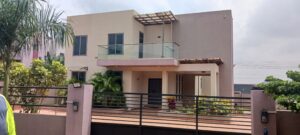 The group met on the morning of Thursday, October 8 at the main entrance of the University, where a van had been hired to take us on several site visits that day and Friday. Thursday was reserved for visits to two developments, the Abokobi gated community, built on the outskirts of Accra, where lots were available for 50 year leases and on which houses could be built for those who would settle in Ghana long-term. The houses were well-appointed and were available in sizes ranging from two-bedroom town houses to four-bedroom detached single family homes, at prices that were affordable compared to similar homes in the United States. This particular community was not complete, as just over half of the houses had been built and the clubhouse, which included a pool and various recreation areas, had not yet been finished. Outside the community, the roads were mostly unpaved, with buildings ranging from small, sparse homes to more stately houses, but the assumption is that, as the area becomes more developed, the local jurisdictions will make improvements to the public areas.
After leaving Abokobi, we visited the offices of another development, this one a mixture of lots and three high-rise apartment buildings for investment that were not yet completed but were represented in models. My assumption was that, since we were visitors from the Diaspora, we were considered to be potential investors in these residential projects.
Our final stop on Thursday was the National Coordinating Office of the African Continental Free Trade Area (AfCFTA NCO). There, we heard a brief presentation by the Director and staff of the NCO, and Baba Al Washington, who had arrived earlier, and Baba Burchell James, who is well versed in business development and contracting in Jamaica, asked several important questions pertaining to the business environment in Ghana. This was important as the upcoming meeting of the Pan African Global Trade and Investment Conference (PAGTIC) is to be held in Accra in February 2027, rescheduled from October 21-23, 2026 (See the PAGTIC Web site at https://panafricanglobaltradeconference.com and visit the site regularly for updates on the 2027 conference).
 Friday’s site visits helped provide more of a historical and spiritual connection as I prepared to take my leave of the Motherland the next day. The first major stop was Jamestown, an area of Accra on the coastline where many of our Ancestors were taken from home centuries ago and sent into bondage in the United States and the Caribbean. It received its name from the Virginia settlement where many of our Ancestors were consigned to bondage in the United States. This was not as emotional an experience as going to Cape Coast would have been, but the journey to that famous (infamous?) dungeon was too long for this visit. We also did not venture into the actual port where our Ancestors saw home for the last time, but we were able to spend time at the lighthouse before moving on to our final major stop of the visit.
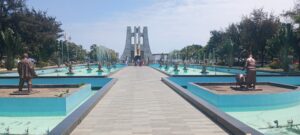
Our site visits, and my brief stay in Ghana, culminated in the visit to the Osagyefo Kwame Nkrumah Memorial Park. There, we were taken on a tour of the Park by our tour guide Sis. Akosua (“Dani”), who explained the numerous sights on the tour and provided some important historical information on the life, activism, leadership, overthrow, exile, death and return home of the Osagyefo (“Savior”) Dr. Kwame Nkrumah. We marveled at the tall bronze (gold?) statue of Dr. Nkrumah, left foot forward and right hand pointing to the future, as it looked out over smaller statues of drummers, horn blowers and guitarists arrayed in fountains in front of the great Mausoleum where Dr. Nkrumah and his wife, Fathia Nkrumah, lay in state. We visited several museum exhibits that featured important quotes, photos of Dr. 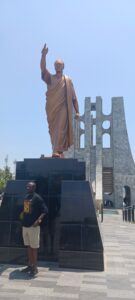 Nkrumah with such historical luminaries as Congolese President Patrice Lumumba, United Nations Secretary-General Dag Hammerskjold and civil rights leaders Dr. Nartin Luther King Jr., Adam Clayton Powell and Malcolm X. We saw the Cadillac given to Dr. Nkrumah by then-US president John F. Kennedy. Throughout the complex were Adinkra symbols from Akan spirituality, as well as Dr. Nkrumah’s important quote, “I am not African because I was born in Africa. I am African because Africa was born in me.” After I visited the souvenir shop and our group spent some time relaxing on the grounds and grabbing a snack in the Park’s restaurant, we retired to our hotels where I prepared for the daylong flight back to Maryland.
This was my second visit to the Motherland. My first visit was to Lusaka, Zambia in 2016 and lasted five hours because the meeting I was scheduled to attend had been cancelled while my plane was in the air. So this did not qualify as my first visit to Afrika. But this was by far the most important and the most fulfilling. I got a better look at city life in a major Afrikan metropolitan area. I got to meet with Ghanaians on the ground (in Lusaka, I only met with the dedicated and friendly employees at the airport as they arranged my return trip) and saw the hustle and bustle of daily life. I got to see some of the possibilities for those of us who seek to repatriate there, as well as some of the official hurdles that must be dealt with to make repatriation a real possibility for many of us. And I got to see the memorial of the great Osagyefo, Dr. Kwame Nkrumah. Most of all, I got to gather with like-minded Pan Afrikan organizers from the Mother Continent, from Central and South America, from the Caribbean and from the United States. I believe this Conference helped to re-energize the activists and organizers of SRDC to continue the struggle and to move it forward as plans are made for next year’s International Conference.
Stay tuned!